Understanding the Risks of Tap Water Contamination
Tap water is often assumed to be safe; however, it may contain a range of contaminants that pose significant health risks. One of the most concerning groups of pollutants includes heavy metals, such as lead and arsenic. Lead can leach into drinking water from corroded pipes, particularly in older homes. Chronic exposure to lead is linked to developmental issues in children and a range of neurological problems in adults. Arsenic, a toxic element that can occur naturally in groundwater, is associated with an increased risk of cancer and various skin lesions, among other health issues.
Additionally, chemical contaminants stemming from agricultural runoff add another layer of concern. Pesticides, herbicides, and fertilizers can volatilize into the water supply, posing risks not only to human health but also to local ecosystems. The impact of synthetic chemicals, such as pharmaceuticals and personal care products, is also increasingly recognized. These substances, often referred to as emerging contaminants, can disrupt endocrine systems and lead to reproductive issues.
Furthermore, the presence of per- and polyfluoroalkyl substances (PFAs), commonly known as forever chemicals, has raised alarms in both environmental and public health circles. These chemicals are known for their persistent nature and can accumulate in the human body over time, resulting in adverse health outcomes such as liver damage, immune system effects, and increased risk of certain cancers.
Adding to these risks is the aging infrastructure of many water systems, characterized by cracked pipes and outdated water mains, which exacerbate the potential for contamination. As pollutants infiltrate the water supply through these means, the urgency of addressing water safety becomes paramount. Communities must prioritize water filtration solutions to mitigate these risks and ensure the safety of drinking water for their families.
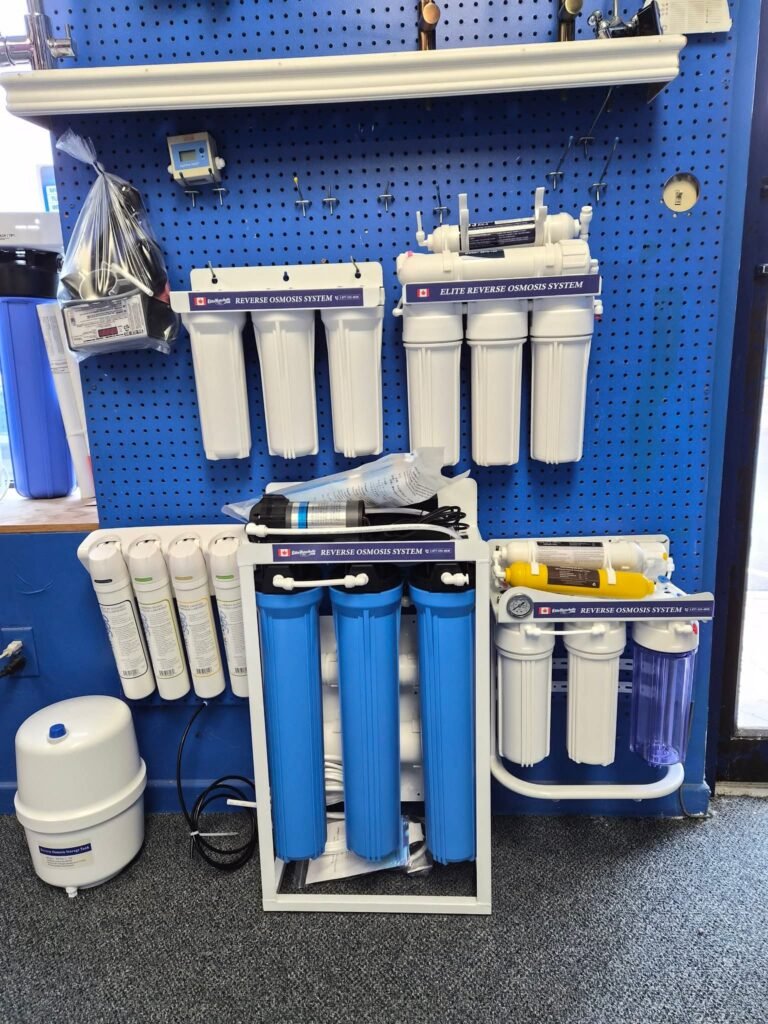
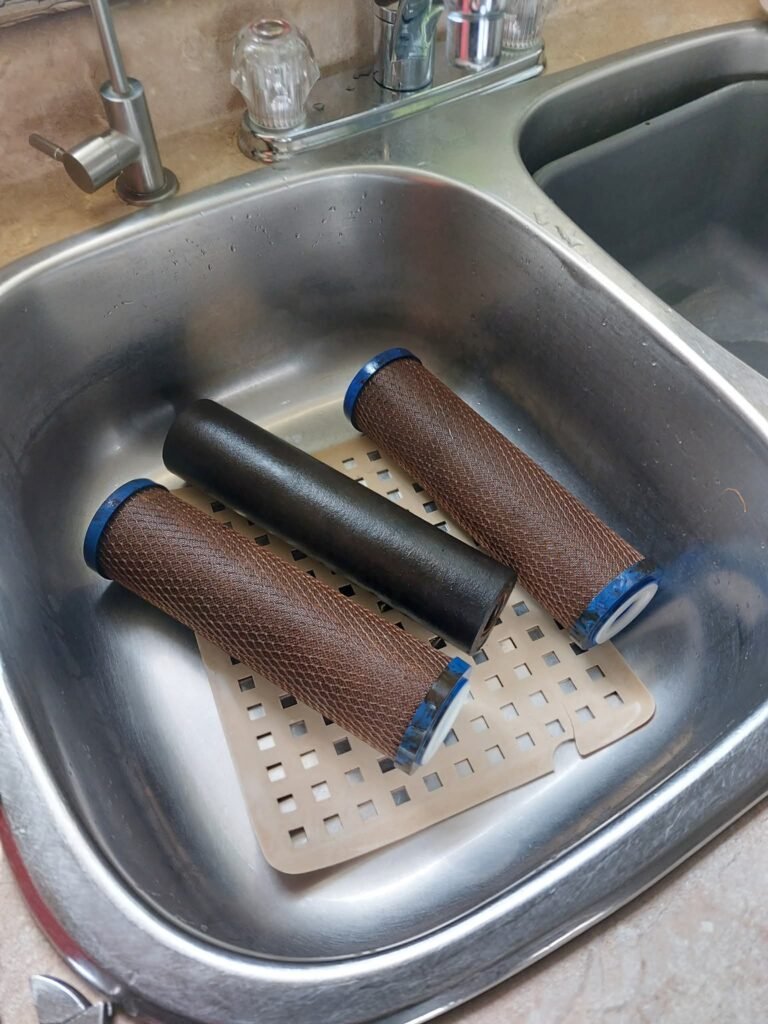
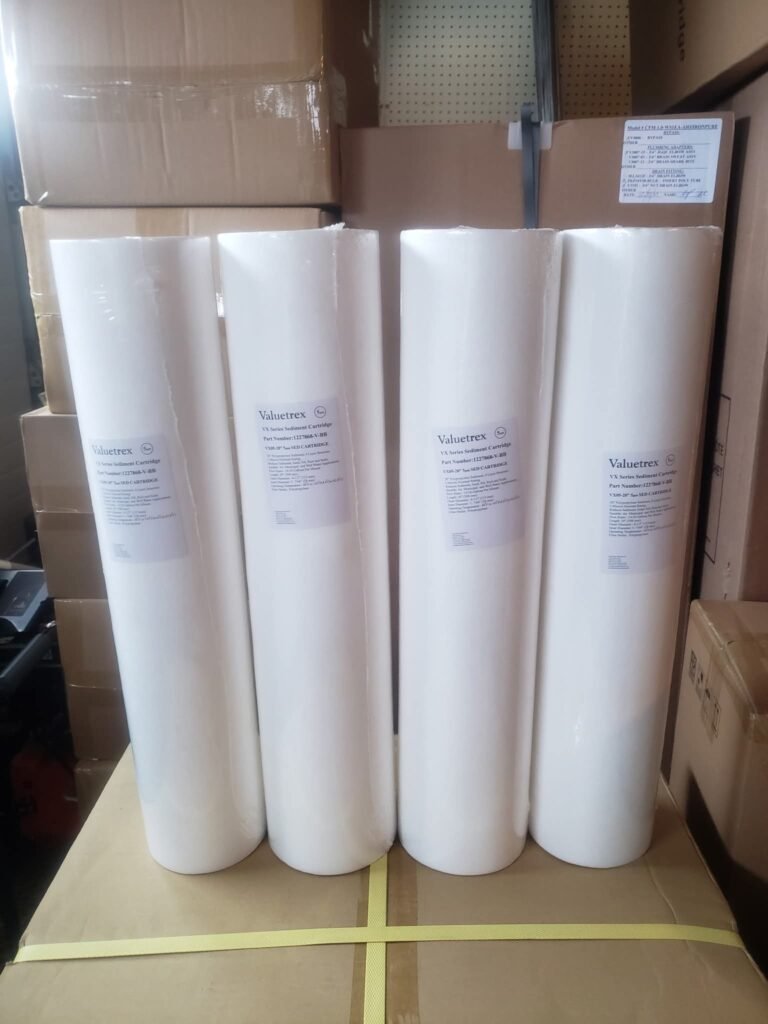
Reverse osmosis (RO) water filtration is a widely recognized method for ensuring safe drinking water in homes. This advanced filtration process typically involves a 6-stage system designed to effectively remove a variety of contaminants from tap water, thereby safeguarding the health of your family. The initial stages of the system usually include sediment and carbon filters that eliminate larger particles, chlorine, and other harmful substances that can affect both the taste and safety of your drinking water.
The key feature of reverse osmosis is its ability to filter out impurities on a molecular level, thanks to a semipermeable membrane. This membrane acts as a barrier to a vast array of dissolved solids, heavy metals, and even certain microorganisms. As a result, the water that emerges from an RO system is significantly purer than standard tap water, providing an essential safeguard against many pollutants found in municipal water supplies.
A notable advantage of a 6-stage reverse osmosis filter is the remineralization stage, which is crucial for restoring essential minerals such as calcium and magnesium. These minerals are vital for health and help to improve the taste of the water, making it more palatable for daily consumption. By incorporating this crucial stage, households can enjoy filtered water that not only meets safety standards but also contributes positively to their overall well-being.
Moreover, the convenience of having a dedicated tap for filtered water enhances accessibility, allowing families to easily obtain clean drinking water whenever they need it. This eliminates the hassle of purchasing bottled water, reducing waste and promoting environmentally friendly habits. In essence, a reverse osmosis system not only ensures safe drinking water for your family but also adds a level of convenience that supports a healthier lifestyle.
Water softening systems play a crucial role in enhancing the quality of water in households. These systems primarily use ion exchange technology to effectively remove hard minerals, such as calcium and magnesium, that can lead to various inconveniences. Hard water not only makes it difficult to lather soap but can also result in soap scum that accumulates on fixtures and appliances, necessitating frequent cleaning and maintenance. By utilizing a whole house water softener, families can enjoy a noticeable reduction in these issues.
One of the significant advantages of implementing a water softening system is its ability to extend the lifespan of household appliances. Hard water can lead to scale buildup in water heaters, dishwashers, and other appliances, forcing them to work harder and, consequently, use more energy. With softened water, the efficiency of these devices is improved, leading to lower energy consumption and reduced utility bills over time.
Moreover, soft water has a multitude of benefits for personal care. Many individuals find that using softened water results in softer skin and hair, as it is less harsh than hard water, which can lead to dryness and irritation. The overall bathing experience becomes more enjoyable when the water is gentler on the skin and hair.
In addition to the physical benefits, adopting a water softener can also result in economic savings. Fewer cleaning products are needed to remove soap scum and mineral buildup, leading to cost reductions in household maintenance. By decreasing the need for these products, families can contribute to both their budget and the environment.
In summary, a whole house water softening system is an essential investment for enhancing the quality of water in the home. Not only does it improve water quality, but it also provides numerous benefits in terms of health, appliance longevity, and savings.
Steps Towards Cleaner Water in Your Home
To ensure safe drinking water for your family, implementing effective water filtration and softening solutions is essential. The first step is to identify the specific contaminants present in your water supply. This can be accomplished through comprehensive water testing, which can reveal the levels of various impurities such as sediments, chlorine, heavy metals, and microorganisms. Many local health departments or independent laboratories offer testing services, making it relatively straightforward for homeowners to obtain a clear picture of their water quality.
Once you understand your water’s composition, selecting the appropriate filtration system becomes paramount. Various types of water filtration systems are available, including activated carbon filters, reverse osmosis units, and UV purifiers. Each system targets different contaminants effectively. For instance, activated carbon is excellent for removing chlorine and sediment, while reverse osmosis systems are particularly effective in eliminating heavy metals and a wider range of contaminants. If hard water is a concern, installing a water softener can mitigate mineral buildup, protect plumbing, and improve the overall quality of water for household use.
Installation can often be a straightforward process, particularly for countertop or under-sink filters, which typically come with detailed instructions. However, for more complex systems, it might be prudent to consult with professionals to ensure proper installation. Regular maintenance is equally important, meaning that you should adhere to the manufacturer’s recommendations on filter replacement and check for any signs of wear in the filtration system.
Moreover, routinely monitoring the quality of your water will help you stay informed about any changes that may occur, allowing you to act promptly if issues arise. Resources such as the Environmental Protection Agency (EPA) provide invaluable guidance on water quality standards and local regulations. Engaging with professionals in the field can also be beneficial, as they can offer tailored advice to suit your specific needs, ensuring that your household remains supplied with safe, clean water.